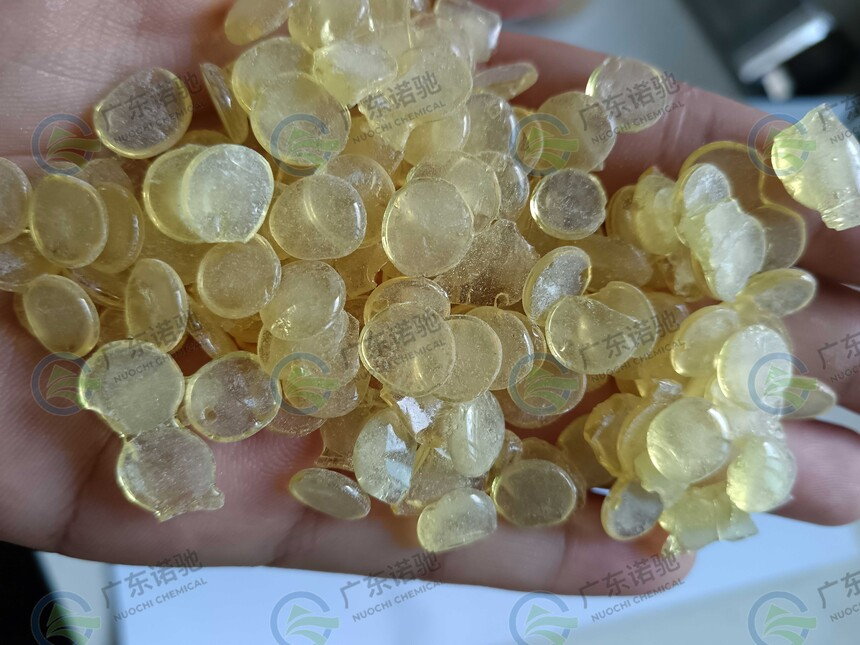




Terpene resin is a synthetic resin obtained by polymerizing or chemically modifying natural terpenes, which is widely popular due to its excellent viscosity increasing properties and diverse application fields. By utilizing the characteristics of terpene resin, it can be widely used in adhesive packaging industries such as thickeners, coatings and high-end inks, rubber products, plastic modification, and those with low odor and toxicity requirements for thickeners. Today we will mainly focus on the most important application field of terpene resin - thickening agents.
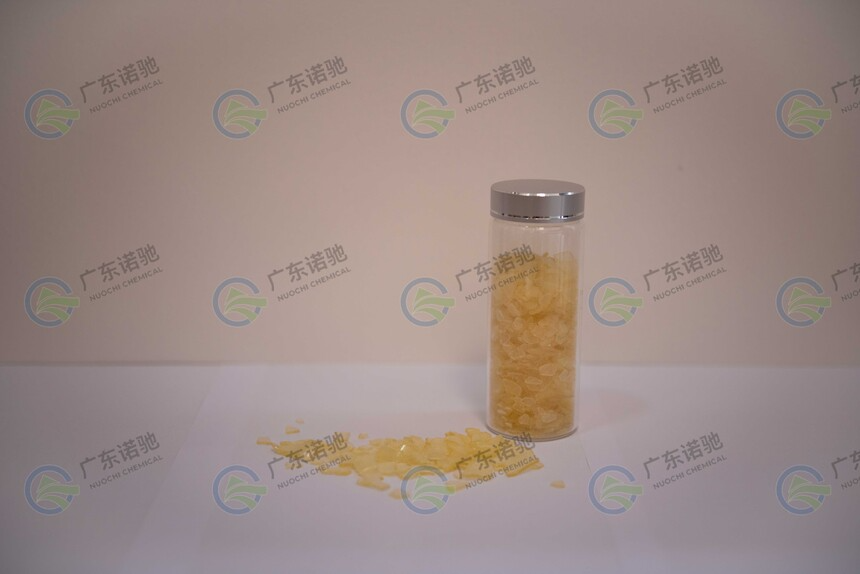
Terpene resin, as a type of tackifier, has multiple advantages compared to traditional tackifiers.
Terpene resin can significantly enhance the adhesion of adhesives, especially in pressure-sensitive adhesives. Its molecular structure helps to form strong physical and chemical bonds, thereby providing higher viscosity. And it has excellent adhesion to various substrates such as metal, plastic, paper, and textiles, which makes terpene resin widely used in industries such as packaging, construction, automotive, and electronics. Based on the different substrates (mainly divided into polar and non-polar interfaces), experienced and R&D capable terpene resin manufacturers can generally modify the substrates to optimize their compatibility and adhesion properties with specific substrates.
But for extremely special cases, the compatibility of terpene resin itself is also excellent enough - it can be mixed with various polymers such as EVA, SBS, SIS, NR, and SBR. This compatibility makes it an ideal choice for formulating high-performance adhesives to meet the needs of different applications. And terpene resin can improve the stability of adhesive formula, prevent problems such as delamination and agglomeration, and enhance product consistency and service life.
Another characteristic of terpene resin is its transparency and color stability, which do not affect the appearance of the product. This is particularly important in transparent tape, transparent labels, and transparent packaging materials. Furthermore, due to strict control of volatile organic compounds (VOCs) content during the production process, the finished product has a lower odor. This is very important for odor sensitive applications such as medical tape, food packaging, and household items.
At the same time, terpene resin can still maintain excellent performance in high temperature environments, and is not easily decomposed or deteriorated. This ensures stable adhesion performance in high-temperature processing and applications. And it can maintain its physical and chemical properties even under long-term heat exposure, extending the service life of the product.
And due to its good fluidity, it is very easy to process in production. For example, terpene resin can improve the uniformity of adhesive coating during the coating process, making the adhesive material evenly distributed, with constant tensile force in all directions, and reducing local coating defects. And due to its excellent adhesive properties, compared to ordinary thickeners, its input amount is often less, reducing material costs. Its operability and stability greatly reduce rework and scrap rates during the production process.
Lastly and most importantly, terpene resin is an environmentally friendly biomass material, as its production and processing materials mainly come from natural pine trees, making it a renewable material. Compared to petroleum resin, it has become an important green material in modern industry due to its natural and renewable sources, good biodegradability, low toxicity, and low VOC emissions, among other environmental characteristics. Terpene resins have demonstrated enormous potential and advantages in addressing environmental protection and sustainable development challenges, becoming an important component of environmentally friendly products in various industries.
Terpene resin has become the preferred thickening agent in many application fields due to its excellent adhesion performance, good compatibility, transparency and color stability, low odor, excellent thermal stability, environmental friendliness, and improved processing performance. It has shown obvious superiority in many industrial and commercial applications, emitting light and heat with its own characteristics in various industries.